
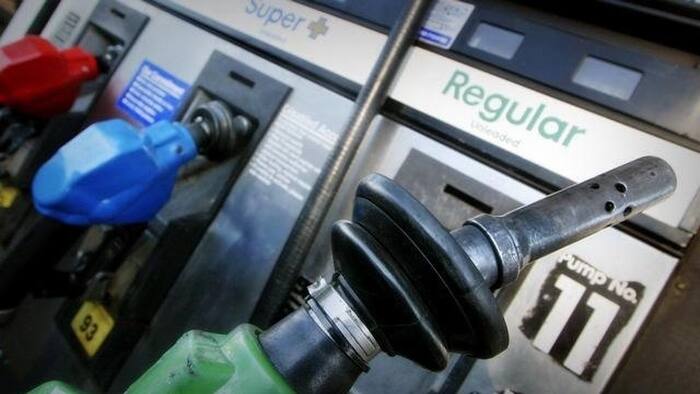
Building a new gas station near homes in Houston could soon become more difficult as city officials consider new restrictions on where those businesses can operate.
The City of Houston unveiled a proposed Retail Fuel Station Ordinance during a City Council Economic Development Committee meeting on Wednesday. The proposal would establish new location requirements for gas stations, particularly those planned along smaller roads and near residential neighborhoods.
The changes come after months of concerns from residents in Houston’s Third and Sixth wards, where proposed gas station developments have sparked opposition over public safety, property values and neighborhood preservation.
Houston is the largest U.S. city without traditional zoning laws, meaning officials generally rely on other development regulations to determine what can be built in certain areas.
The proposed ordinance would add another layer of oversight without introducing traditional zoning.
The ordinance would introduce a two-step review process for new gas station developments.
First, city officials would determine whether the proposed location sits along a major thoroughfare wider than 80 feet.
If it does, the property would meet the new location requirements without additional review.
However, gas stations proposed along smaller roads or major thoroughfares that are 80 feet wide or less would face a second review examining nearby residential development.
If less than 50% of the surrounding area is residential, the proposed location would qualify.
If at least half of the surrounding area is residential, the development would not qualify under the standard review process.
Developers would still have the option to request a variance, allowing them to seek an exception to the requirements.
The restrictions would apply to new applications going forward, rather than existing gas stations.
City officials analyzed 188 fuel station applications submitted over the past four years within the Harris County portion of Houston.
The review found that most applications involved locations along major thoroughfares, but a significant number were also near residential properties.
According to the city’s findings:
Under the proposed ordinance, the 50 applications along narrower roads would have required additional review.
That does not mean all 50 developments would have been rejected. Their eligibility would depend on the surrounding residential development, and developers could request exceptions.
The figures offer a glimpse into how the ordinance could affect future gas station projects across Houston.
The city’s presentation included two proposed gas station locations that would not qualify under the new standards.
One is located at 5204 Live Oak Street, near Southmore Boulevard in Houston’s Riverside Terrace neighborhood.
According to the city’s analysis, residential properties account for 100% of the surrounding area within both 50 feet and 100 feet of the site.
Because the property is along an 80-foot-wide major thoroughfare and is surrounded by residential development, it would not qualify under the proposed requirements without an exception.
Another location, at 1909 Washington Avenue, would also fail the proposed location test.
City officials found that residential development accounts for 80% of the surrounding area within 50 feet and 57% within 100 feet of that property.
The city used both sites to illustrate how the ordinance could restrict future gas station developments near homes.
However, the presentation does not establish whether the proposed rules would affect applications already submitted or approved before the ordinance takes effect.
The proposed restrictions follow months of neighborhood opposition to gas station developments in Houston.
In February, KPRC 2 reported that residents in Riverside Terrace were protesting plans for a convenience store and gas station near Southmore Boulevard and Live Oak Street.
Homeowners raised concerns about crime, traffic, environmental risks and the potential impact on property values.
Residents in Houston’s Sixth Ward also voiced concerns about a separate gas station development near Washington Avenue, where some homes were located just feet from the proposed business.
During a February community meeting covered by KPRC 2, residents from both neighborhoods called for stronger citywide regulations governing how close gas stations could be built to residential properties.
KPRC 2 also previously reported that Houston City Councilmember Mario Castillo was working on a proposal addressing the proximity of future gas stations to homes.
The debate has highlighted the challenges Houston neighborhoods face when trying to influence development in a city without traditional zoning laws.
Other major Texas cities already regulate gas station locations through zoning ordinances.
According to Houston’s presentation, Dallas permits gas stations only in zoning districts where that type of business is specifically allowed.
San Antonio requires minimum distances between certain fuel storage tanks and residential or other sensitive properties, depending on tank capacity.
Austin also has development standards addressing features such as fuel dispensers and vehicle queuing areas.
Houston’s proposed approach would instead use road classifications and surrounding residential development to determine whether a new gas station location qualifies.
The restrictions would be incorporated into Chapter 42 of Houston’s Code of Ordinances, which governs development regulations.
The ordinance is still in the early stages of consideration and has not been approved.
According to the city’s tentative schedule, the proposal is expected to move through the following steps:
The timeline is subject to change.
If approved, the ordinance would establish new requirements for future gas station developments, potentially giving the city greater control over where those businesses can be built near Houston neighborhoods.


